


Japanese Ceramics: The Joy of Shonzui Pottery and More

James Lau

Posted on November 13, 2024
Share:

Japanese ceramics are famous worldwide for their beauty and craftsmanship. They offer a world of artistry for collectors and admirers, from designs to glazing. Within this tradition is Shonzui pottery, known for its delicate details and unique style! Let’s explore the history and charm of Shonzui pottery and other iconic Japanese ceramics, each with its own story and distinct beauty!
What is Shonzui pottery?
Shonzui pottery is a celebrated form of Japanese ceramics, recognized for its intricate patterns and striking blue-and-white design. Originating in the Edo period, artisans influenced Shonzui pottery by Chinese porcelain while developing its distinct Japanese taste. Artists decorate Shonzui pieces with scenes from nature, mythological figures, or abstract patterns. They generally hand-paint this pottery, making each piece a unique work of art.

The skill involved in creating Shonzui pottery requires years of training and dedication. This craftsmanship is what makes Shonzui pieces so prized and sought after. The blue-and-white color scheme is representative of Japanese aesthetics, highlighting its simplicity and subtlety. These ceramics are used in tea ceremonies or as art pieces. Collectors appreciate Shonzui pottery for its connection to Japanese history and refined elegance.
Yunomi Teacups
Yunomi teacups are a staple of Japanese tea culture. They are designed for everyday tea drinking and have functional yet artistic qualities. Unlike formal teacups used in traditional tea ceremonies, Yunomi are informal, allowing various shapes, glazes, and designs. They are taller than they are wide and without handles. Made in countless styles across different regions in Japan, Yunomi reflects the spirit of everyday enjoyment.

Craftsmen craft each Yunomi to enhance the tea-drinking experience through texture, weight, or color. Some artisans intricately paint them with floral or seasonal motifs, while others embrace the natural look of clay, celebrating imperfections through the wabi-sabi aesthetic. For tea lovers, collecting Yunomi cups offers a way to explore Japanese pottery and appreciate the simple pleasure of sipping tea in everyday moments.
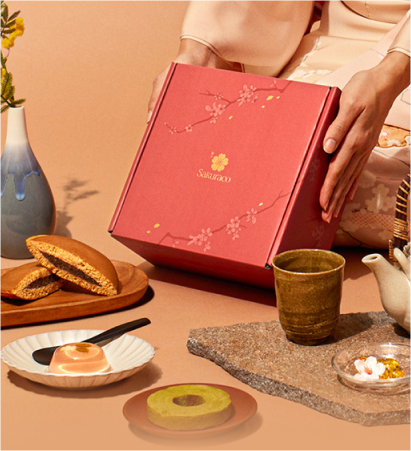
Are you looking for great snacks this season? Check out Sakuraco! Sakuraco delivers traditional Japanese snacks, teas, sweets, and snacks from local Japanese makers directly to your door so you can enjoy the latest sweets directly from Japan!

Gifu Ceramics
Gifu Prefecture is one of Japan’s most famous ceramics regions, home to a pottery style known as Mino ware. The region’s ceramics history dates back over a thousand years, producing pieces that range from tableware to decorative art. Gifu ceramics are versatile, using techniques like Oribe, Shino, and Kizeto glazing. This allows Gifu ceramics to cater to different tastes, from rustic, earthy tones to bright, bold patterns.

The skilled artisans of Gifu blend traditional methods with innovative approaches to keep their craft alive. Many ceramics from this region draw inspiration from nature, featuring flowers, rivers, and mountains. Gifu ceramics represent Japan’s respect for nature and dedication to preserving craftsmanship through the generations. Collectors and enthusiasts find joy in the beauty and functionality of Gifu ceramics.
Kintsugi
Kintsugi is the Japanese art of repairing broken pottery with lacquer mixed with powdered gold, silver, or platinum. This unique approach to restoration transforms a damaged item into something more beautiful than before. Originating from the concept of wabi-sabi, which embraces the beauty of imperfection, Kintsugi reflects transformation. Rather than hiding imperfections, Kintsugi celebrates them, turning cracks and chips into golden lines.

This practice of Kintsugi embraces flaws and finds beauty in brokenness. The repaired ceramics hold significance for both the artist and the owner, symbolizing loss to renewal. Kintsugi has gained worldwide appreciation, influencing art and design beyond ceramics and encouraging people to see value in what is imperfect. For collectors, Kintsugi pieces are treasures that embody strength, making them meaningful additions to any collection.
Kutani Ware
Kutani ware is notable for its colors and designs. It originated in the Kutani region of Ishikawa Prefecture. This Japanese pottery is recognizable for using red, green, blue, yellow, and purple, painted in patterns depicting landscapes, animals, and traditional motifs. Kutani ware is crafted with designs that require meticulous hand-painting. Artisans use layers of glaze and firing techniques, creating rich and lively pottery.

The history of Kutani ware starts in the 17th century and evolves through different periods, each adding new elements to its style. This type of ceramic is highly regarded for its expressive qualities, capturing scenes of Japanese folklore and nature in an almost storybook fashion. Kutani ware appeals to collectors who appreciate detailed artwork, as each piece tells a unique story.
Why are Japanese ceramics unique?
People appreciate Japanese ceramics for their functionality, beauty, and symbolism. Japanese pottery balances aesthetics and everyday use, creating decorative and practical pieces. This tradition celebrates craftsmanship and the artist’s connection to nature, resulting in personal ceramics. These ceramics invite a sense of mindfulness and appreciation for simplicity in daily life.

From Kutani ware to Kintsugi, Japanese pottery offers a variety of forms that appeal to different tastes. Artisans inherit their craft through generations, preserving traditional methods while embracing innovations that keep their work relevant. Collectors and enthusiasts enjoy exploring these diverse styles, each telling a story of artistry and cultural heritage. Do you collect Japanese pottery? What is your favorite style? Let us know in the comments below!
Discover authentic flavors with Sakuraco
Get Sakuraco 
Discover authentic flavors with Sakuraco
Get Sakuraco
Related Articles

Forest Bathing in Japan: The Ultimate Guide
Japan is known for cultural traditions that promote balance, mindfulness, and a connection with nature. One of the most distinctive is forest bathing, or shinrin-yoku. Despite its name, forest bathing does not involve water.

Kawadoko Dining in Japan: A Unique Riverfront Summer Tradition
Japan is home to many seasonal traditions that help people appreciate the changing environment. One of the most distinctive is kawadoko dining, an outdoor dining style that allows guests to enjoy meals beside or above flowing rivers during the warmer months. Known for its cool atmosphere and scenic surroundings, this riverfront dining tradition has become one of Japan’s most memorable summer experiences.

Tomioka Silk Mill: The Factory That Helped Modernize Japan
The Tomioka Silk Mill is one of Japan’s most important industrial heritage sites. Located in Tomioka City in Gunma Prefecture, the mill played a major role in Japan’s modernization during the late 19th century.

Hiroshima: History, Food, and Scenic Destinations
Hiroshima is one of Japan’s most historically important and culturally rich regions. Located along the Seto Inland Sea in western Japan, Hiroshima Prefecture is known for its history, food, and coastal scenery.