


Anko Donuts: A Sweet Combination of Cultures

James Lau

Posted on March 09, 2026
Share:

Anko donuts combine a familiar Western pastry with a classic Japanese filling. These soft, fried treats are filled with sweet red bean paste known as anko. The result is a dessert that blends two food traditions in a simple and recognizable way. Bakeries across Japan sell different versions of the snack. Many people enjoy them as everyday sweets or quick treats.
What Are Anko Donuts?
Anko donuts are deep-fried dough pastries filled with sweet red bean paste. The dough is usually soft and slightly sweet, similar to many Western-style donuts. After frying, the donuts may be dusted with sugar or left plain. Inside, the filling adds a mild sweetness that balances the richness of the fried dough. This simple combination creates a snack that feels both familiar and distinctly Japanese.

The filling in these donuts is called anko, a paste made from cooked, sweetened beans. Most anko is made with adzuki beans, which are widely used in Japanese sweets. The beans are simmered and mixed with sugar to form a thick paste. Some varieties are smooth, while others keep small bean pieces for texture. Both styles can be used in anko donuts, depending on the bakery.
The Origins of Donuts in Japan
Donuts became common in Japan during the twentieth century as Western foods spread through the country. After World War II, American-style bakeries and sweets grew more popular in large cities. Japanese companies began producing donuts with flavors that suited local tastes. One well-known example is Mister Donut, which helped introduce donuts to a wide audience.

Bakeries soon experimented with traditional ingredients as donut fillings. Red bean paste was already widely used in many Japanese desserts. Combining anko with fried dough created a sweet that felt both modern and familiar. This approach also followed a larger trend of adapting Western recipes with Japanese flavors. As a result, anko donuts gradually became part of everyday bakery culture.
How is this red bean paste used in Japanese sweets?
Anko has played an important role in Japanese confectionery for centuries. Many traditional sweets rely on red bean paste as their main flavor. Well-known examples include dorayaki and taiyaki, both of which feature sweet bean fillings inside baked dough. Because the flavor is mild and balanced, anko works well with many types of pastry. Therefore, this versatility made it an easy addition to Western-style donuts.
There are also several styles of anko that affect the final dessert. Smooth paste, known as koshian, creates a creamy filling. Chunky paste, called tsubuan, includes bean pieces for added texture. Some bakeries choose one style, while others offer both. As a result, these differences give each anko donut its own character. The filling remains the central feature of the dessert.
How These Donuts Are Made
The process for making anko donuts is simple but requires careful timing. Bakers prepare a soft dough made from flour, yeast, sugar, and eggs. After the dough rises, it is shaped into rounds and filled with red bean paste. The donuts are then deep-fried until they turn golden brown. Frying gives them a light crunch on the outside.

After cooking, the donuts may be rolled in sugar or left plain. The warm dough contrasts with the thick, sweet bean paste inside. Some bakeries adjust the sweetness depending on the type of anko they use. Smooth koshian and chunky tsubuan are both common options. Small differences like these create variety among shops.
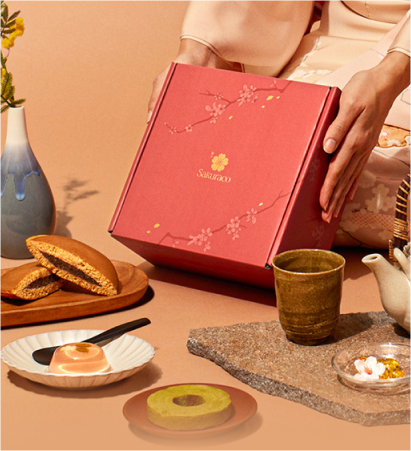
Are you looking for great snacks such as anko donuts? Check out Sakuraco! Sakuraco sends traditional Japanese snacks, teas, and sweets from local makers straight to your door each month!

Where You Can Find Anko Donuts
Anko donuts are widely available in bakeries throughout Japan. Small neighborhood bakeries often produce them alongside sweet breads and pastries. Convenience stores sometimes sell packaged versions for quick snacks. Larger chains and specialty shops also offer their own interpretations. Because the ingredients are simple, many shops can easily produce the dessert.
Some specialty stores have also built their reputation around creative donut recipes. Shops such as AN●D あんでぃ in Ashiya focus on donuts filled generously with red bean paste. Another example is Mitchy Donuts in Shiga, which specializes in anko donuts with various fillings. Modern donut cafés like I’m donut? have also popularized soft gourmet donuts that sometimes feature Japanese-inspired fillings.
Why should I try anko donuts?
Anko donuts are often recommended to people trying Japanese sweets for the first time. The donut shape and fried dough make the snack familiar to many visitors. At the same time, the red bean filling introduces a classic flavor from Japanese confectionery. This balance allows people to experience traditional ingredients in an accessible way. Many travelers find the taste lighter than cream-filled pastries.

The dessert also reflects how food cultures influence each other. Western baking techniques brought donuts to Japan in the twentieth century. Japanese confectioners then adapted the pastry, using traditional ingredients such as red bean paste. The result is a snack that combines two different culinary traditions. This blend of influences helps explain why anko donuts remain popular today. They represent both innovation and tradition in Japanese desserts.
Overall, the pastry combines Western-style fried dough with the long-standing tradition of red bean paste. Over the years, this combination became a common treat found in bakeries across Japan. Different shops offer variations in texture, sweetness, and toppings. Anko donuts continue to reflect the meeting of traditional ingredients and modern bakery culture.
Discover authentic flavors with Sakuraco
Get Sakuraco 
Discover authentic flavors with Sakuraco
Get Sakuraco
Related Articles

Kyoto Confectionery Museum: Everything You Need to Know
Although Kyoto is famous for temples, gardens, and historic districts, the city is also known for its centuries-old confectionery culture. The Kyoto Confectionery Museum shows how sweets became closely connected to tea ceremonies, seasonal celebrations, and Japanese aesthetics.

Hiroshima Tsukemen: A Spicy Take on Japanese Dipping Noodles
Tsukemen is one of Japan’s best-known noodle dishes, but Hiroshima offers its own distinctive version that differs sharply from the richer styles found in Tokyo and other parts of the country.

Sake from Takehara City: A History of Brewing
Takehara City in Hiroshima Prefecture is one of Japan’s historic sake towns. Located near the Seto Inland Sea, the city became wealthy during the Edo period through trade and sake brewing. Today, Takehara is still known for its traditional streets, old breweries, and connection to Hiroshima’s sake culture.

Aaron and Claire Soy-Glazed Pork Belly Recipe: A Guide!
Aaron and Claire share an easy soy-glazed pork belly rice bowl recipe that combines tender pork, a rich savory glaze, and simple ingredients for a comforting Japanese-inspired dinner at home.